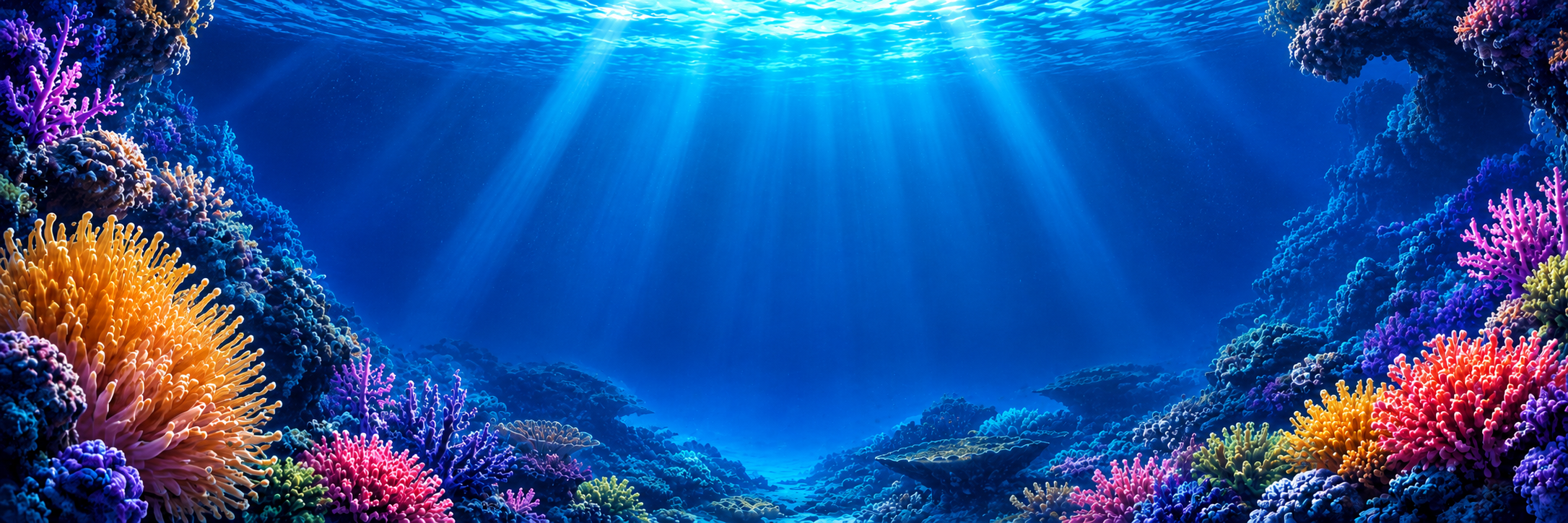
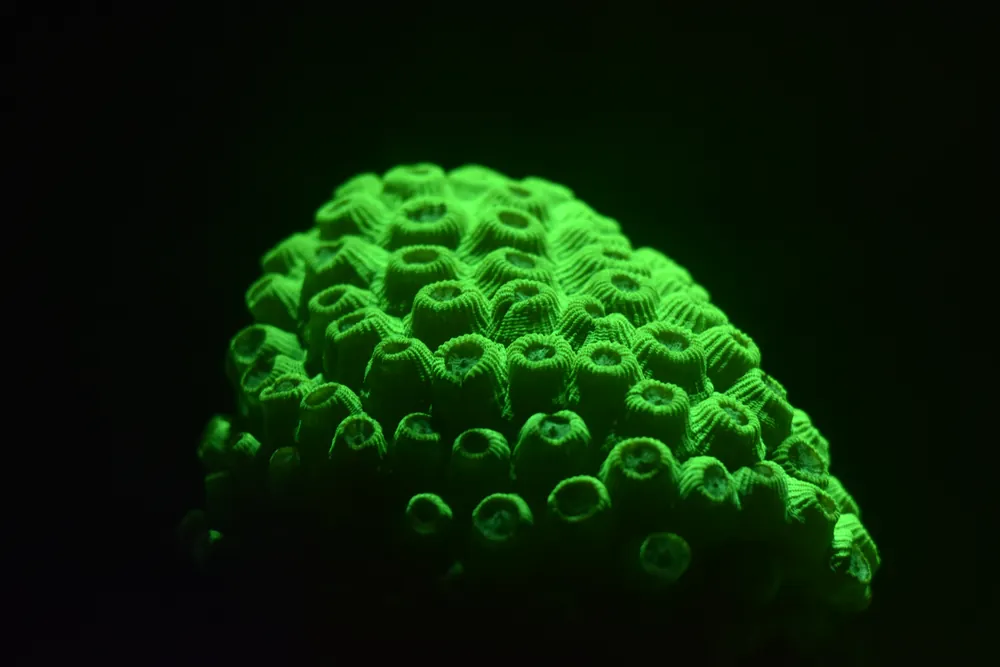
The important number is not just how many corals moved, but how many different genetic identities went with them. In its August 20, 2026 announcement, Coral Restoration Foundation reported transferring approximately 1,000 corals representing 130 genotypes from Tavernier Nursery to Elbow Nursery in the Florida Keys. Two dives began a planned relocation of roughly 3,500 corals, intended to duplicate the genetic collection held at Tavernier.1
A genotype is not a species count. Coral propagation can produce multiple colonies with the same genetic identity: a fragment grows, but it does not become a new genetic individual simply by living separately. Banking living corals therefore means preserving different lineages, not merely accumulating more pieces. Sexual reproduction, by contrast, can produce new combinations of parental genes.2
The first transfer prioritized founding staghorn and elkhorn genotypes and much of CRF’s Orbicella collection. Elbow adds an ocean-based backup alongside Tavernier, complementing land-based banking at The Reef Institute. CRF reports stronger water movement at Elbow, but does not yet know whether relocated corals will withstand heat as successfully as some corals already living nearby.1
This is also why a gene bank and a restored reef are different achievements. NOAA describes genetic storage as a reserve for future restoration, alongside breeding and outplanting. Keeping a lineage alive preserves the possibility of using it later; it does not establish that a self-sustaining population has returned to the reef.3
The August announcement made further transfers dependent on heat and reef conditions. It did not report all 3,500 corals in place. Maintenance and monitoring follow the move: the immediate accomplishment is a second location for vulnerable genetic stock, not a guarantee against the next bleaching event.1
Sources and notes 3 references
- Coral Restoration Foundation — As El Niño Strengthens, CRF Establishes Second In-Water Coral Gene Bank to Safeguard Irreplaceable Genetic Diversity (opens in a new tab)August 20, 2026
- NOAA Coral Disease & Health Consortium — Coral Reproduction (opens in a new tab)undated
- NOAA Fisheries — NOAA and Partners Launch Next-Generation Coral Restoration Following Florida Coral Bleaching (opens in a new tab)July 21, 2025; updated November 21, 2025
Background: August 20, 2026. Published November 1, 2026.
Research and reporting dates are kept as published, and older work isn’t presented as news. Product claims are attributed to their makers. Photos are illustrative and don’t show store stock.