
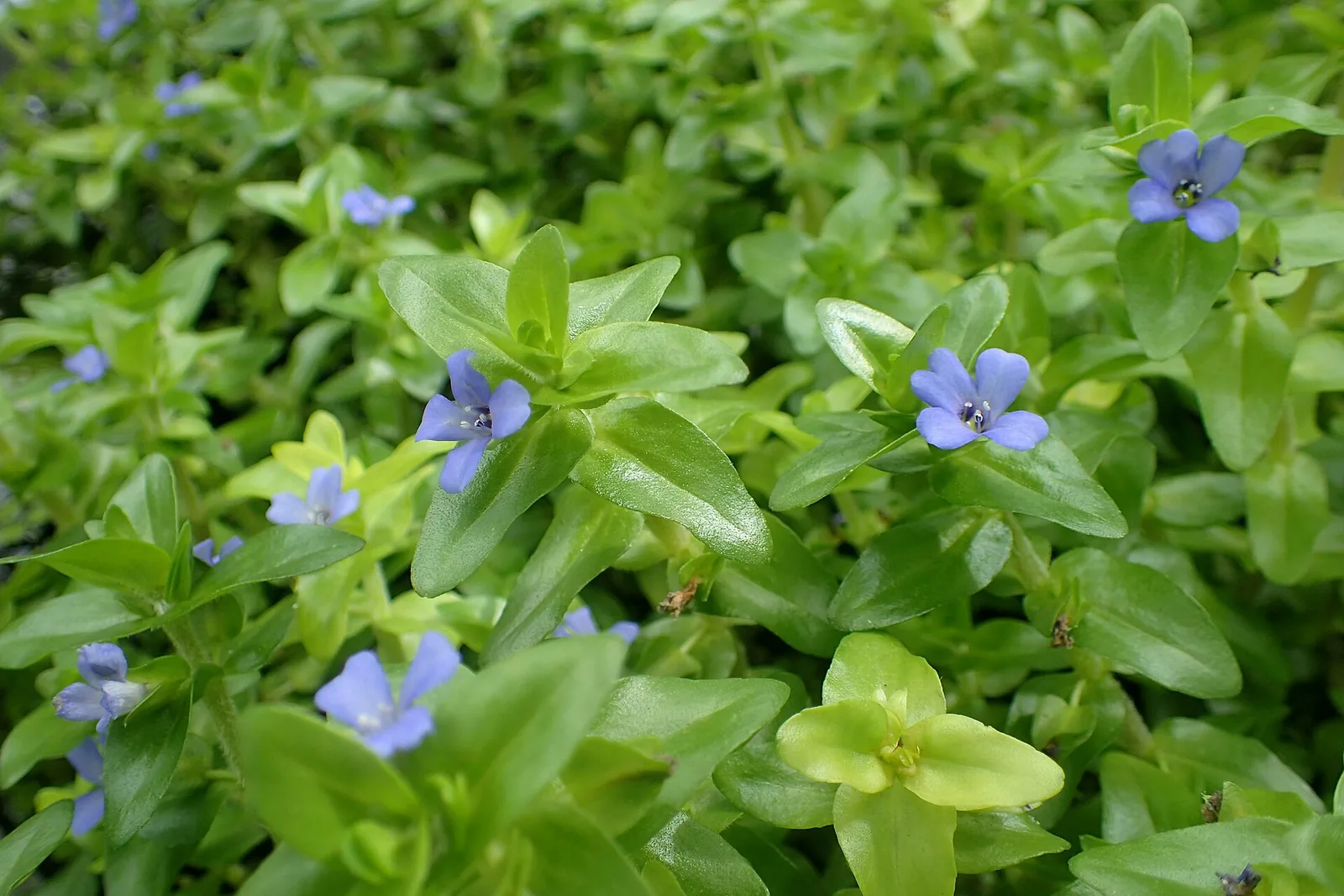
For a suitable stem plant, cut the longest shoot just above a lower leaf and replant the removed shoot within the group. The rooted stem can produce new shoots. Work in small sessions rather than treating every plant in the aquarium to one severe haircut; different growth forms need different trimming methods.1
Work through one group at a time
- Look below the attractive tips. Repeated trimming encourages branching, but a dense group can leave lower stems shaded and weak. Thin selected stems rather than simply shaving the top again. Where the lower portion has deteriorated, remove that stem, discard its weakened base and retain the sound upper portion for replanting.
- Before cutting, choose the gap you want to fill. Our practical suggestion is to keep a small tray beside the aquarium and separate retained shoots from material being discarded. This makes it easier to finish one group deliberately instead of collecting an unplanned heap of cuttings.
- Plant retained shoots in less-dense areas, not automatically back into an already crowded center. For a sloping group, arrange shorter cuttings toward the front and longer ones behind. Replanting is a chance to rebuild the shape rather than preserve every stem in its old position.
- Photograph the group from the same viewing position before and after the work. Note which patch was shortened, which was thinned and where cuttings were replanted. On the next visit, compare those specific areas instead of judging only the overall silhouette. These are different maintenance decisions, and a record helps you avoid repeating the same operation by habit.2
A species example: Bacopa caroliniana
This Bacopa can be propagated by taking a side shoot and planting it in the substrate. Tropica describes it as relatively slow-growing for a stem plant. That makes it a useful reminder to judge the individual plant rather than assume every stem group needs frequent cutting.3
There is no need to give all the groups matching heights or matching appointments in the calendar. Make the next session a response to the plants in front of you, not an obligation to repeat the last haircut.
Sources and notes 3 references
- Tropica Aquarium Plants — Trimming (opens in a new tab)undated
- Aqua Design Amano — Seven Steps to Creating Beautiful Aquatic Plant Clusters (opens in a new tab)January 13, 2023
- Tropica Aquarium Plants — Bacopa caroliniana (opens in a new tab)undated
Background: Evergreen guide. Published November 1, 2026.
Research and reporting dates are kept as published, and older work isn’t presented as news. Product claims are attributed to their makers. Photos are illustrative and don’t show store stock.